CHATS: Children Helped by Adults to Talk about Stroke- A guide to help adults talk to and support children and young people after stroke.
Introduction:
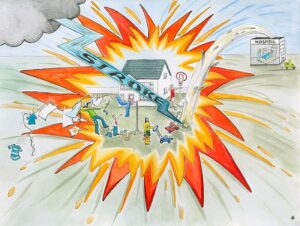
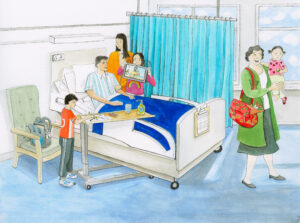
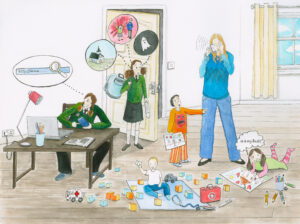
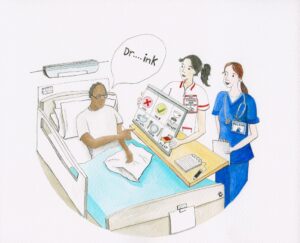
Research tells us how important it is to give children and young people (CYP) age appropriate information and support when someone close to them has a serious illness, e.g. a stroke. There was no available stroke specific resources available targeted for an acute hospital setting.
Methodology:
Following a successful grant application from the Meath Foundation a project team was set up to include a Principal Clinical Psychologist and a Social Work Team Leader with project coaching from the Quality Improvement (QI) Lead . The aim was to develop an accessible resource that would inform and enable adults to:
With the assistance of the Irish Heart Foundation, 6 stroke survivors or their partners were recruited from different parts of Ireland, all of whom had children of varying ages at the time of their stroke. Semi –structured interviews were carried out about their experience talking to children and young people, in the early days and weeks after stroke. Interpretive phenomenological analysis of the interviews identified key themes and patterns. It highlighted the need for clear information and guidance.
Improvement instigated:
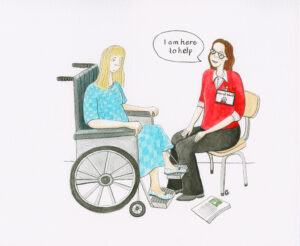
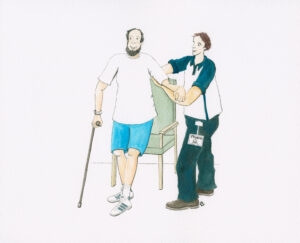
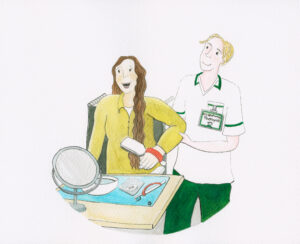
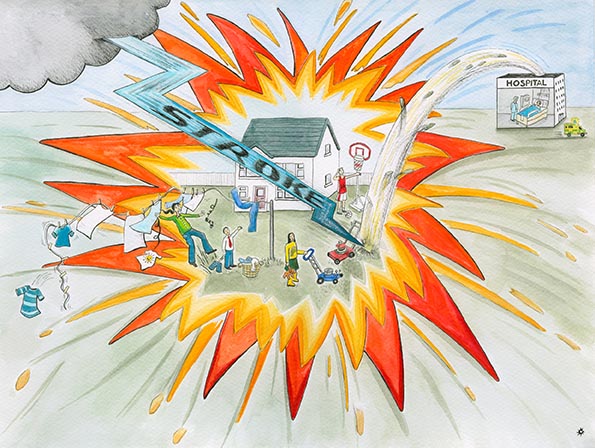
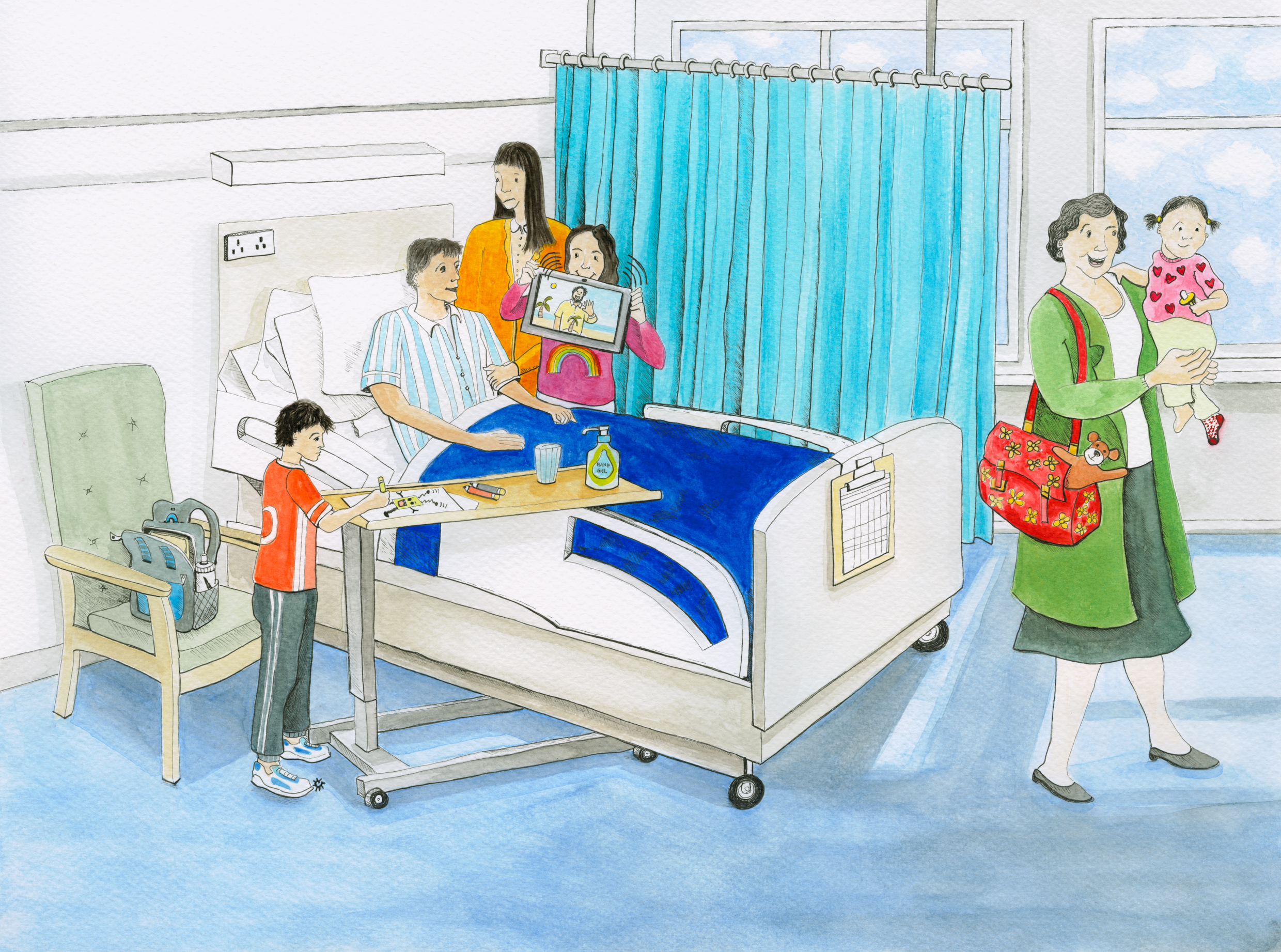
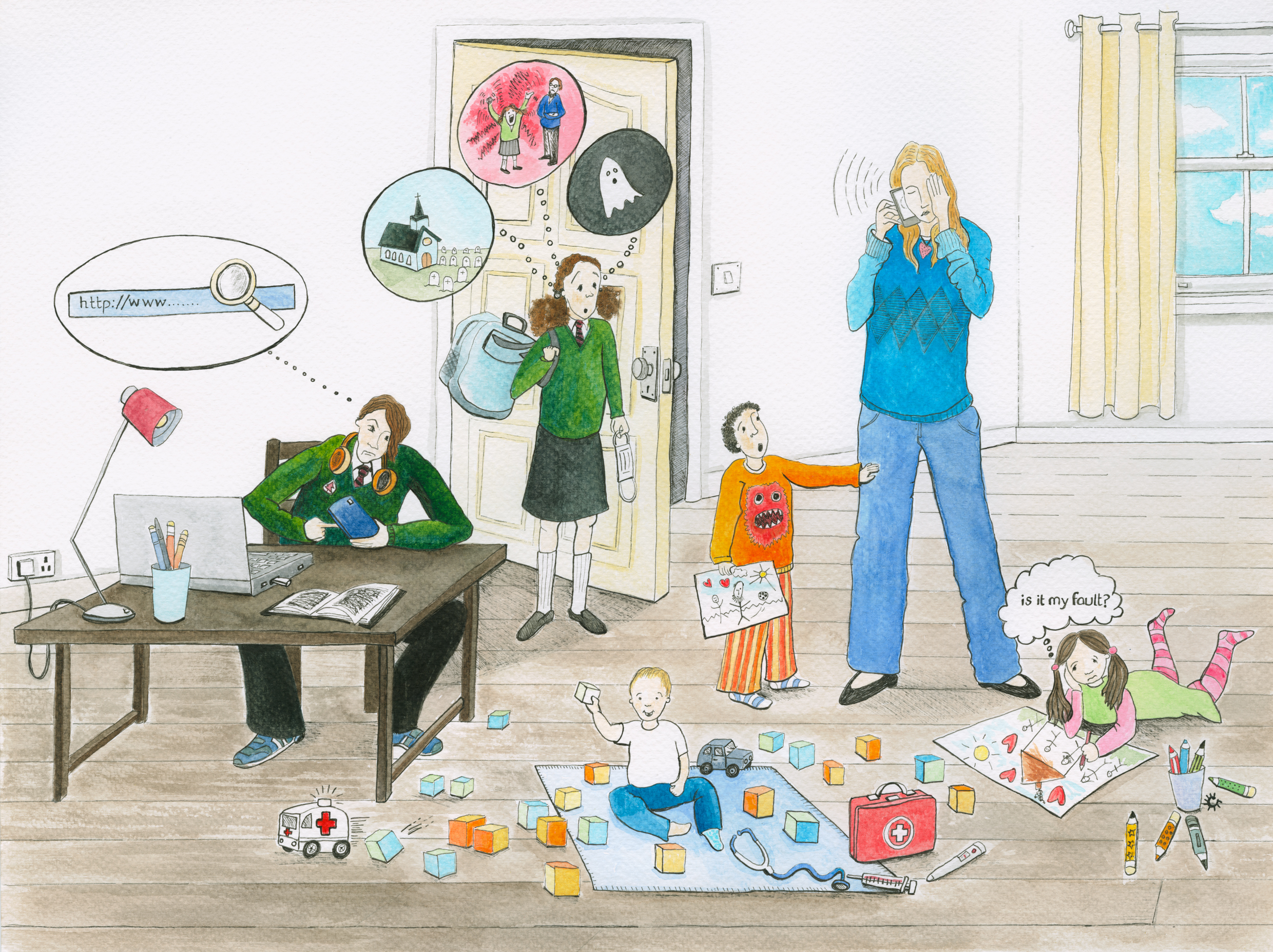
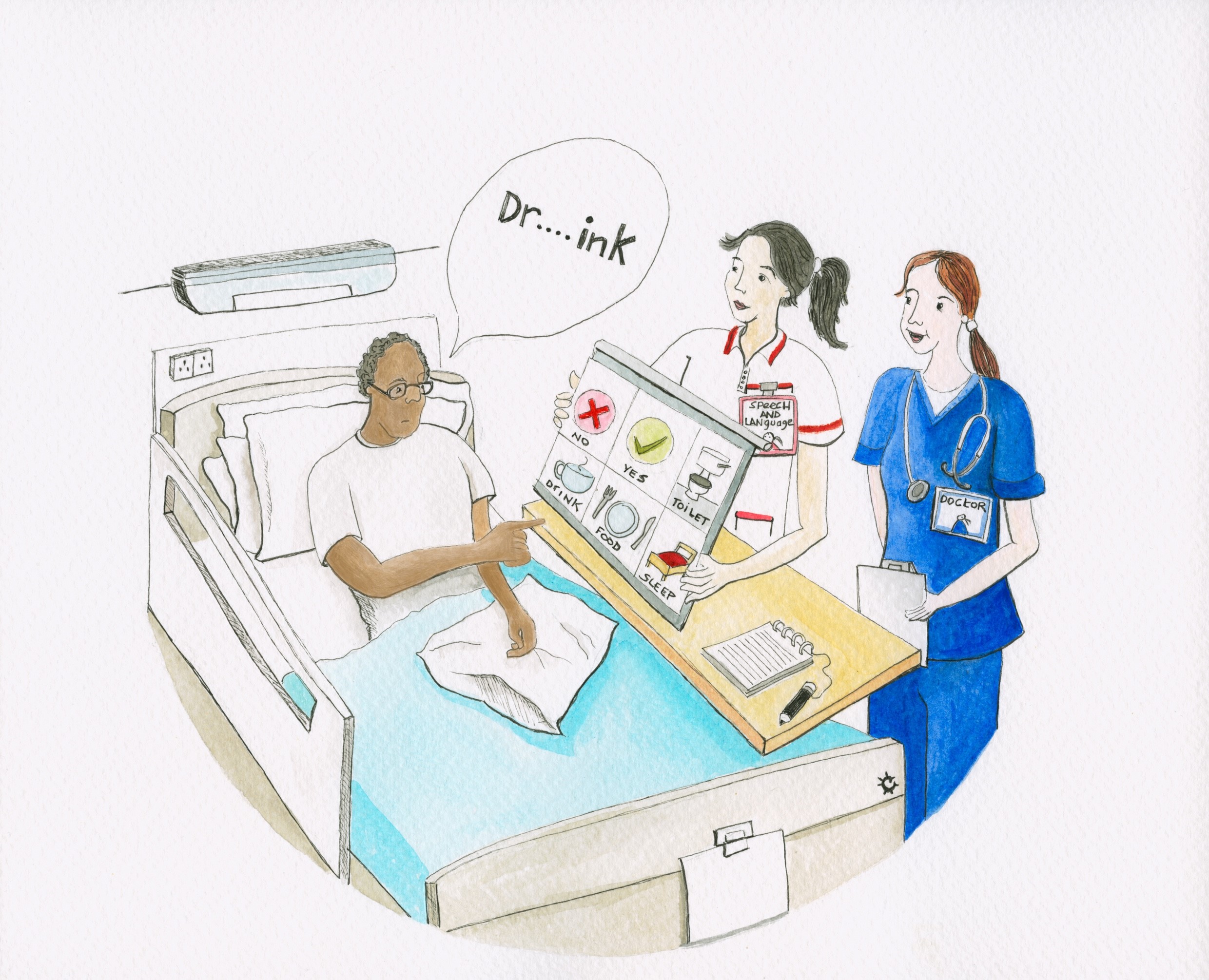
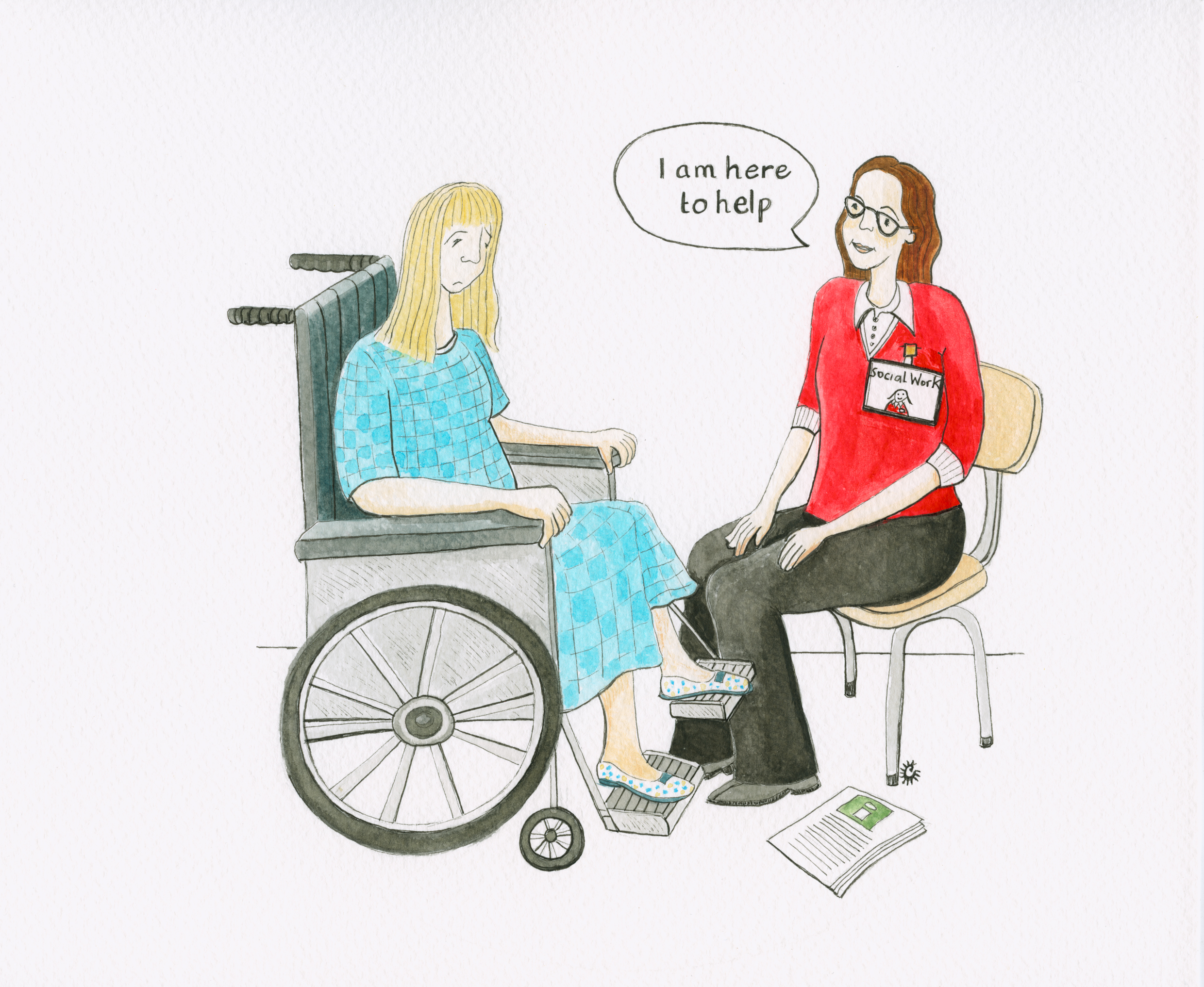
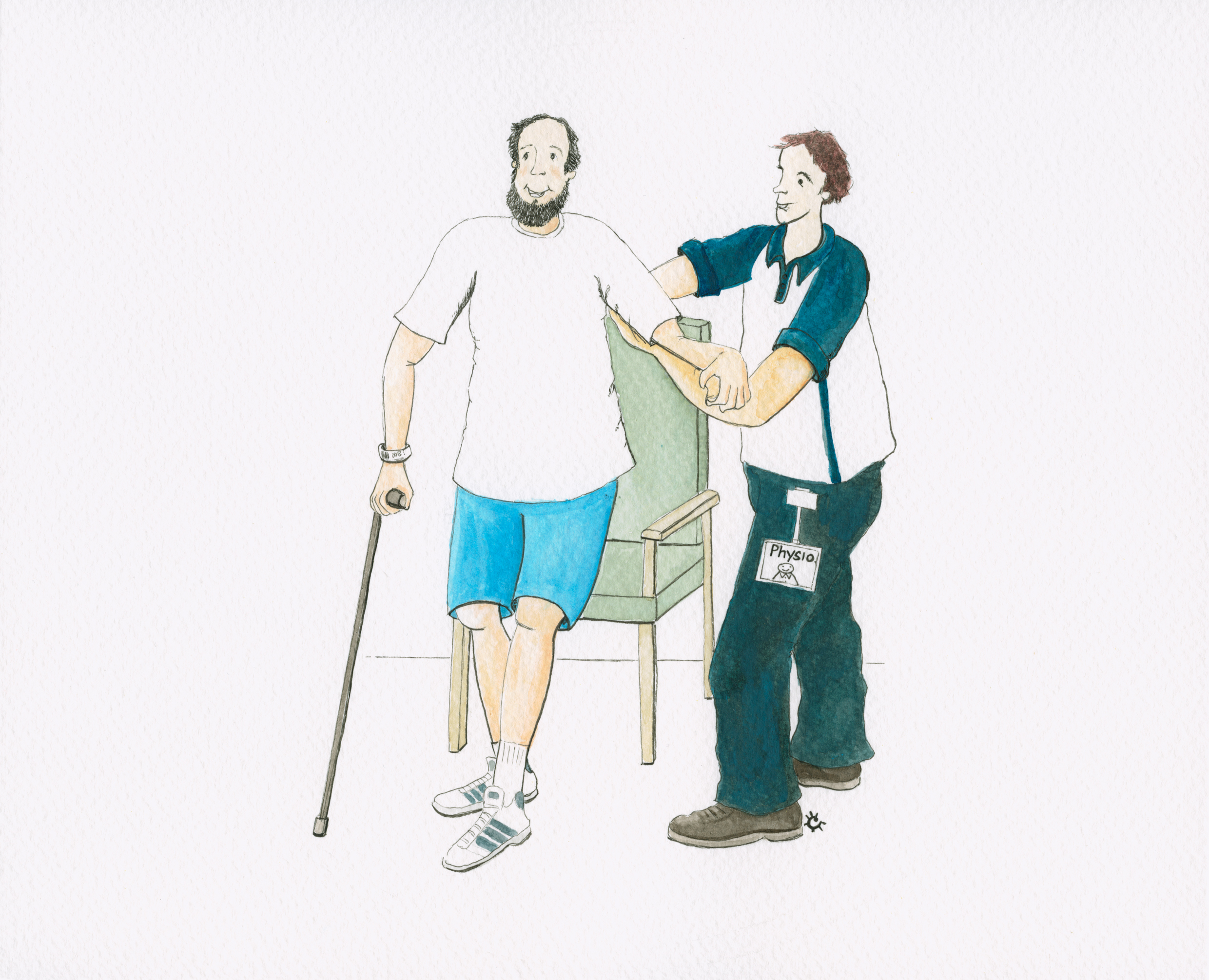
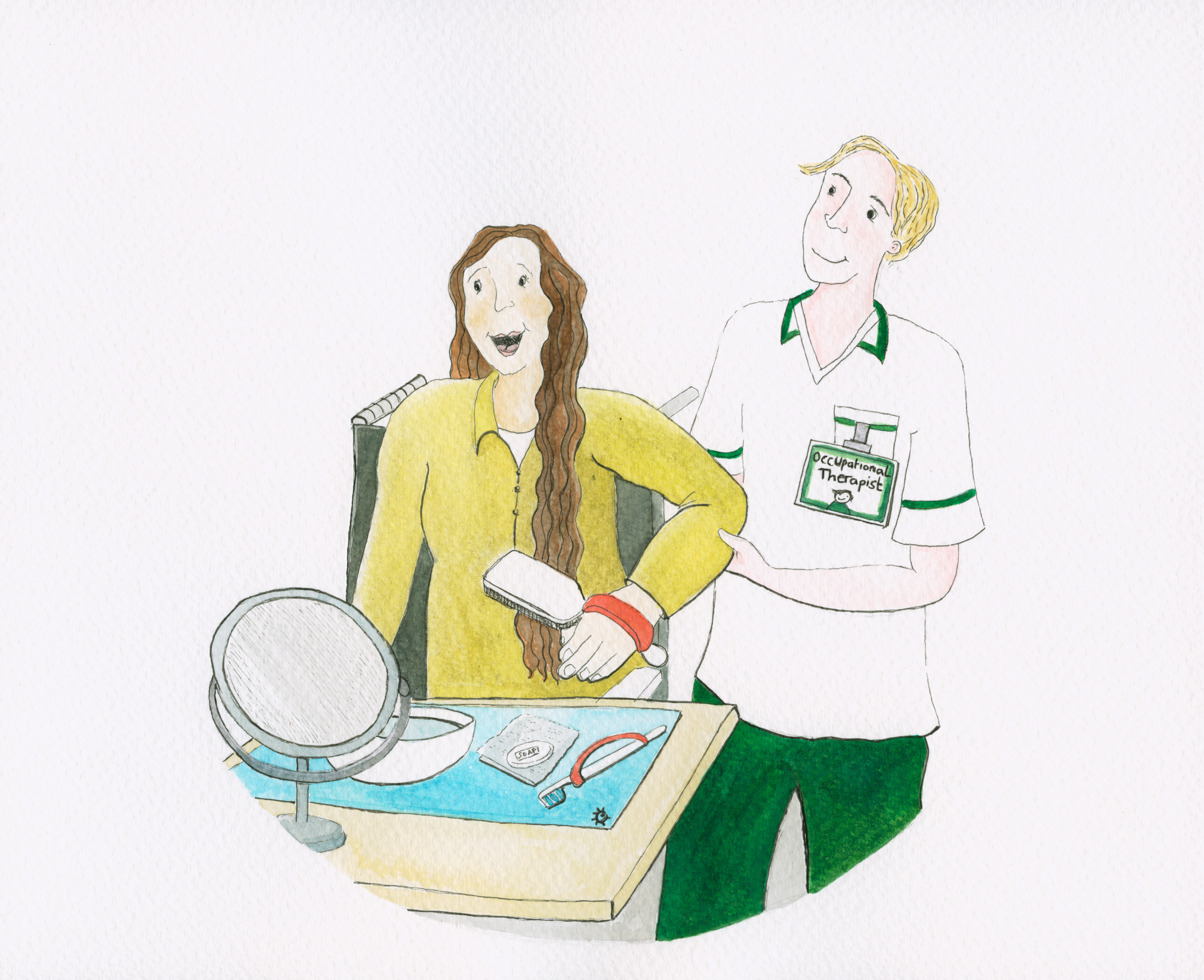
The written content was finalised following consultation with members of the stroke multi-disciplinary team and feedback from stroke survivors and families. Detailed collaboration followed with the Arts & Health department of Tallaght University Hospital and an illustrator and graphic designer.
Evaluation/Benefits:
The CHATs resource is now available in hard copy for patients and families attending the stroke services in TUH. CHATS is a cost effective intervention supporting families who know their children better than any healthcare professional. Dissemination of the resource across Ireland, UK and European forums and on international websites has raised the profile and highlighted the positive work of both TUH and the Meath Foundation. An evaluation questionnaire was sent to families and the feedback has been very positive. It has also helped to increase multi-disciplinary staff knowledge and added to the quality of holistic care provided. A considerable amount of effort has been put into disseminating the resource with an overwhelming positive response in relation to it being a unique, accessible and much needed resource which could be easily translated into many different languages.
Copyright: Caroline Hyland Illustrations